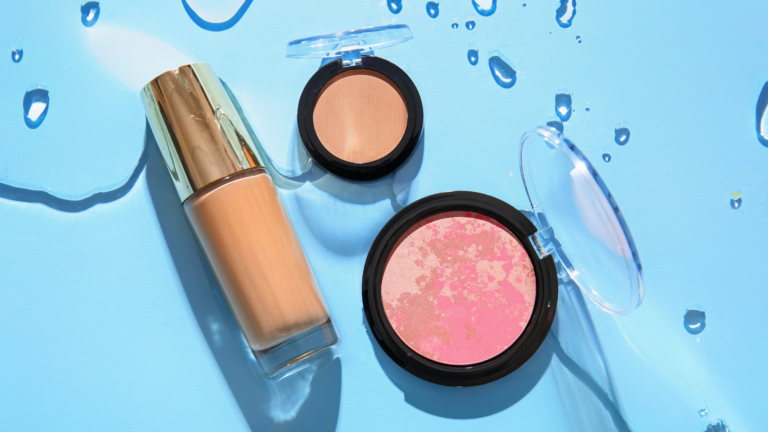
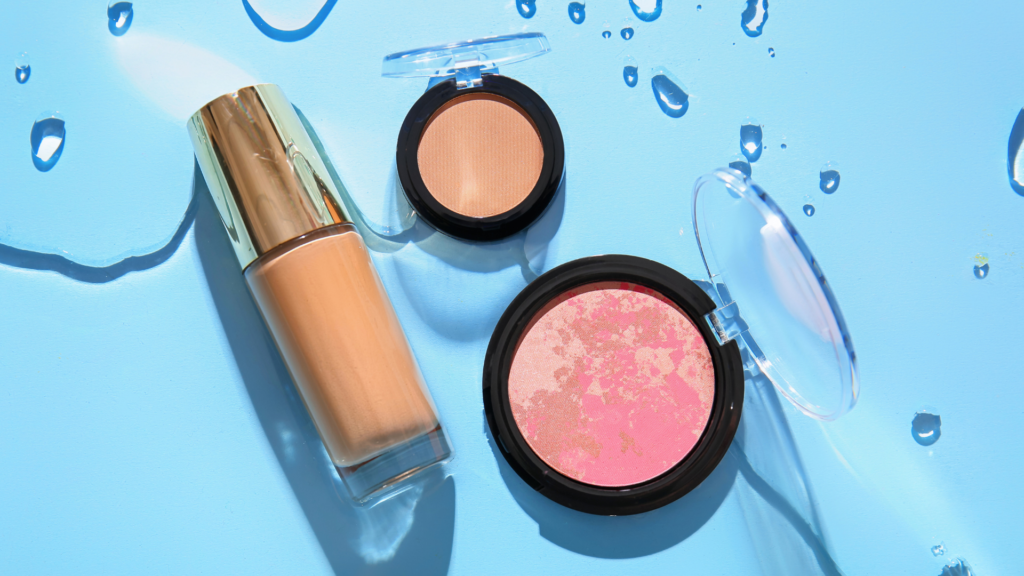
Powder and liquid blush serve the same purpose but suit different skin types and preferences. Powder blush is ideal for oily or combination skin, offering a matte finish and easy buildability, while liquid blush works best for dry or mature skin, providing a natural, dewy glow.
Both options have their pros and cons, from application methods to longevity. Understanding these differences helps you choose the right formula for your desired look and skin needs.
This guide breaks down how powder and liquid blush compare in texture, wear, and versatility, so you can make an informed choice without guesswork.
Understanding Powder and Liquid Blush
Blush formulas differ primarily in texture, application, and composition. These differences affect how they interact with the skin and the finish they create. Knowing these details helps in selecting the right type for specific skin types and desired looks.
What Is Powder Blush?
Powder blush is a solid, dry formula typically found in compact form. It contains pigments blended with absorbent powders like talc or mica. These powders help absorb oil and reduce shine on the skin’s surface.
Application usually involves a brush to sweep or buff the color onto the cheeks. Powder blush is favored for its ease of blending and buildable coverage. It works well on oily or combination skin because it helps control excess oil throughout the day.
Powder blush can matte or provide a slight shimmer depending on the added ingredients. It is often preferred for quick, precise application and touch-ups.
What Is Liquid Blush?
Liquid blush is a colored, fluid formula designed to be applied using fingers, a brush, or a sponge. It contains pigments suspended in a liquid base, which can be water-, oil-, or silicone-based. The consistency varies from thin to slightly mousse-like.
Liquid blush offers a natural, dewy finish that can provide a subtle, skin-like glow. It is commonly used to achieve a fresh, radiant look. Because it blends into the skin, it is ideal for dry or mature skin types that benefit from extra hydration.
It typically requires more blending time than powder but lasts longer on the skin. Some liquid blushes also double as lip or eye color, adding versatility.
Main Ingredient Differences
Powder blush formulas consist mainly of pigment, talc or mica, and binders. These solid ingredients create a dry, finely milled texture that sits on the skin’s surface. Sometimes, silica or starch is added for oil absorption and smooth application.
Liquid blush formulas incorporate pigments in a liquid base like water, oils, or silicones. They also include emollients and film-formers to ensure even spreading and durability. Ingredients such as glycerin or hyaluronic acid may be added for hydration.
The wet nature of liquid blush allows it to integrate into the skin, while powder blush forms a surface layer. This fundamental difference dictates their application, finish, and skin compatibility.
Application Techniques for Each Formula
Applying blush properly depends on the formula’s texture and finish. Precision, blending, and the right amount of product are key for both powder and liquid blushes to achieve a natural look.
How to Apply Powder Blush
Start with a light hand; tap off excess product from the brush before application. Apply powder blush to the apples of the cheeks, blending upward toward the temples.
Use circular or sweeping motions to avoid harsh lines. Build the color gradually for better control.
Setting powder beforehand can help the powder blush adhere longer. Avoid overloading the brush to prevent a cakey or dusty finish.
How to Apply Liquid Blush
Begin with a small amount, usually a few drops or a pea-sized amount. Dot the liquid blush on the apples of the cheeks or where you want the color to appear.
Use fingertips or a damp makeup sponge to blend the product evenly. Blend quickly because liquid formulas dry faster than powders.
Focus on tapping motions rather than swiping to maintain a seamless look.
Recommended Tools
- Powder blush: Use a fluffy, soft-bristled brush such as an angled or rounded blush brush for even application. Avoid dense brushes for powder blush as they can pick up too much product.
- Liquid blush: Fingers are effective for warmth and control; a damp beauty sponge or synthetic brush are good alternative for a smooth finish.
Always clean tools regularly to maintain product performance and hygiene.
Finish and Appearance on the Skin
The way blush looks once applied varies significantly between powder and liquid forms. Each type delivers a distinct texture and level of radiance that impacts the overall makeup appearance.
Powder Blush Finish
Powder blushes typically leave a matte to semi-matte finish, depending on the product’s formulation. They absorb excess oil, making them ideal for oily or combination skin types.
The finish can range from soft and natural to more pigmented and buildable. Powder formulas often have a finely milled texture that sits on top of the skin rather than blending in deeply. This can sometimes emphasize dry patches or texture if skin is not well-prepped.
Powder blushes provide a more controlled application, allowing precise placement and layering for depth. They tend to hold well throughout the day but may require touch-ups in humid conditions.
Liquid Blush Finish
Liquid blush creates a dewy, natural-looking finish that mimics the skin’s own flush. It blends seamlessly into the skin’s surface, delivering a light-reflective glow that suits dry or normal skin types particularly well.
The finish is typically sheer to medium coverage but can be layered without becoming cakey. Liquids tend to merge with the skin’s texture rather than sitting on top, offering a fresh, hydrated look.
Because the formula is water or oil-based, it adapts well to different skin textures and conditions. However, it may not last as long on very oily skin without a setting product.
Longevity and Wear
Blush longevity depends on the formula and skin type. Some hold color longer while others require touch-ups throughout the day.
Staying Power of Powder Blush
Powder blush generally offers moderate staying power. It adheres well to oily and combination skin but may fade faster on dry skin due to a lack of moisture.
Touch-ups are typically needed after 4-6 hours. Using a setting spray or primer can help extend wear time by reducing oil buildup.
Powder blush is less prone to smudging but can become patchy if layered excessively. It is best applied over matte or lightly powdered bases for better adherence.
Staying Power of Liquid Blush
Liquid blush usually lasts longer, often 6-8 hours without fading. Its lightweight formula binds well with the skin’s natural oils, making it ideal for dry or mature skin.
Because it dries down to a thin, stain-like finish, it resists rubbing off better than powder. However, oily skin types may experience some slippage over time.
Application is crucial; blending quickly and evenly ensures natural longevity. Oil control products used underneath can further increase wear time.
Suitable Skin Types for Powder vs Liquid Blush
Choosing the right blush type depends largely on your skin’s texture and how it interacts with different formulas. Powder and liquid blushes each have characteristics that suit specific skin challenges and preferences.
Best for Oily Skin
Powder blush is generally better for oily skin because it absorbs excess oil and reduces shine. It helps set the face, preventing the blush from sliding off or fading quickly.
Look for powders with mattifying properties to control oil throughout the day. Mineral-based powders with natural oils can also offer some skin benefits without clogging pores. Applying powder blush with a fluffy brush allows better control over coverage and helps avoid accentuating oily patches.
Liquid blushes can work, but oily skin may cause them to break down faster. Using a mattifying primer beneath liquid blush can improve longevity, but powder remains the more straightforward option.
Best for Dry or Mature Skin
Liquid blush is ideal for dry or mature skin since it provides hydration and a dewy finish that powders often fail to deliver. Liquids blend easily into the skin, avoiding the flaky or cakey look that powder can cause on dry patches.
Ingredients such as glycerin or hyaluronic acid in liquid blushes help maintain moisture and smoothness. They also offer buildable coverage, which can enhance natural skin texture without emphasizing fine lines.
Powder blush on mature or dry skin may settle into wrinkles or highlight dryness. If powder is preferred, it should be finely milled and applied sparingly over a hydrating base.
Blending and Buildability
Blush blending affects how natural and seamless the final look appears. Buildability determines ease of layering to achieve the desired intensity without patchiness or uneven color.
Blending Powder Blush
Powder blushes blend smoothly when applied with the right tools, such as fluffy brushes. The dry texture allows for easy sweeping across the skin, which helps diffuse color gently.
Because powders sit on top of the skin, they can sometimes accentuate dry patches or texture. Blending well requires using light, circular motions to avoid harsh edges.
Buildability with powders is straightforward. Layers can be added gradually to increase color intensity. However, over-applying risks looks cakey or unnatural, so patience is important when layering.
Blending Liquid Blush
Liquid blush blends quickly due to its fluid consistency. It absorbs into the skin, creating a more natural, dewy finish when blended with fingers or a damp sponge.
Control during blending is key, as liquids can spread easily and unevenly if overworked. A tapping motion helps disperse color smoothly without streaks.
Buildability varies by formula but generally allows for layering in thin coats. Because liquids merge with the skin, they rarely appear patchy but may emphasize oily areas if applied too heavily.
Color Selection and Pigmentation
Blush color options and pigmentation affect how easily the product matches skin tones and how vibrant the final look appears. Choosing the right formula depends on both the variety of shades available and how intensely the color applies.
Shade Variety in Powder Blush
Powder blushes typically offer a broad range of shades, from soft pastels to deep hues. Brands often include matte, satin, and shimmer finishes within their powder lines, providing choices suitable for various skin types and makeup styles.
This diversity allows users to find colors that complement different undertones—cool, warm, or neutral. The availability of multitone powders or blush palettes also helps with contouring and highlighting, giving more versatility in application.
Shade Variety in Liquid Blush
Liquid blushes tend to have a more concentrated set of shades, focusing on sheer to medium coverage. The liquid format allows for buildable layers, so even fewer color options can be versatile by adjusting the intensity.
The texture suits natural, dewy finishes well, often found in peach, pink, and berry tones. However, the shade range is generally narrower compared to powders, which may limit options for those seeking unusual or very deep colors.
Pigment Payoff
Powder blushes range from subtle to highly pigmented, depending on the formulation and brand. Users can control pigment intensity by layering with brushes, making powders easier to customize for different occasions.
Liquid blushes usually deliver stronger pigment payoff per application. A small amount of product covers a larger area with noticeable color, but they require careful blending to avoid patchiness or an overly saturated look.
| Formula Type | Pigment Payoff | Application Control |
| Powder Blush | Moderate to High | High – build in layers |
| Liquid Blush | High | Medium – blend carefully |
Touch-Ups and Portability
Portability and ease of touch-ups vary significantly between powder and liquid blushes. Each format presents distinct advantages depending on user preferences and the context of the application.
On-the-Go Use
Powder blushes are often favored for quick touch-ups during the day. Their dry texture allows easy layering without disturbing existing makeup or causing excess shine.
Applying powder blush typically involves a compact and a brush or puff, letting you precisely target areas without needing a mirror in some cases. This convenience makes powders practical for office or outdoor environments.
Liquid blushes require more care on the go. They can be prone to streaking if applied hastily, and often need blending with fingers or tools. However, their buildable texture can offer a fresh, natural finish after a simple dab and blend.
Travel-Friendly Aspects
Powder blushes generally come in sturdy compacts that prevent spills or leaks, making them less risky in luggage or bags. Their solid form also means no drying-out concerns.
Liquid blushes, packed in tubes or bottles, take up less space but carry a higher risk of leakage or breakage. They may require additional protective casing during travel.
Many liquid formulas now feature travel-sized options designed to minimize leakage and improve portability. However, users still need to carry a blending sponge or brush for optimal results away from home.
Potential Drawbacks of Each Formula
Both powder and liquid blush formulas have specific limitations that could affect their performance and suitability for different skin types or preferences. Understanding these drawbacks helps in choosing the right product.
Common Issues with Powder Blush
Powder blush can emphasize dry or flaky skin, making texture irregularities more visible. It tends to settle into fine lines, which may create an uneven or cakey appearance.
Application requires a steady hand to avoid overdoing the product, as powders are often highly pigmented. The finish may appear matte or dry, which can lack the natural glow some users seek.
Powder blushes generally have less staying power on oily skin, often fading quickly or sliding off. They may also produce fallout during application, which can create a mess and product waste.
Common Issues with Liquid Blush
Liquid blush can be more challenging to blend evenly without streaking, especially for beginners. It may feel sticky or tacky if applied excessively.
This formula often has a dewy or wet finish that might not work well with oily skin types, potentially increasing shine. Liquid blushes tend to require quick application before they set, leaving less room for correction.
Some liquid formulas can transfer onto clothing or skin if not fully dried. Additionally, the packaging can be less hygienic, as the applicator tip comes into contact with the face repeatedly.
Best Uses and Scenarios for Each Type
Powder blush works well for oily to combination skin. It helps absorb excess oil and provides a matte finish. Ideal for daytime wear or when a quick, easy application is needed.
This type is preferred for creating a sculpted look. It blends smoothly over foundation and can be layered for more intensity. Powder blush is often the choice for those who want a more polished, long-lasting effect.
Liquid blush suits dry and sensitive skin better. It offers a dewy, natural glow that mimics a flushed complexion. Perfect for minimal makeup days or when a softer, sheer look is desired.
It works well for layering with cream products or for mixing with foundation or moisturizer. Liquid formulas are versatile for creating a fresh, youthful appearance, especially in cooler or drier weather.
| Scenario | Best Type | Reason |
| Oily skin | Powder | Controls shine and lasts longer |
| Dry skin | Liquid | Adds hydration and a natural glow |
| Quick application | Powder | Easy to apply and blend |
| Natural, dewy finish | Liquid | Creates a subtle, fresh look |
| Layering with makeup | Both | Powder for setting, liquid for mixing |
Choosing Between Powder and Liquid Blush
When deciding between powder and liquid blush, consider your skin type and finish preference. Powder blush tends to work well for oily or combination skin because it absorbs excess oil and sets quickly. It provides a matte or satin finish, which suits everyday looks.
Liquid blush is often favored for dry or mature skin. Its creamy texture adds hydration and offers a natural, dewy glow. Applying liquid formulas can be more versatile, allowing for easy blending and buildable coverage.
| Factor | Powder Blush | Liquid Blush |
| Skin Type | Oily, combination | Dry, mature |
| Finish | Matte to satin | Dewy, natural |
| Application | Brush or puff | Fingers, sponge, or brush |
| Longevity | Long-lasting with setting powder | Can require touch-ups |
If ease of use and quick application matter, powder blush is typically faster to apply and blend. However, for a more customizable and fresh look, liquid blush offers greater flexibility.
Both types can be layered with other makeup products, but liquid blush pairs well with tinted moisturizers, while powder blush works better over foundation or powder.
Choose based on daily routine, desired finish, and skin needs to match the best formula for your look.